There are many different distinct types of coin-making that have evolved throughout the world, some better, some worse, but all functional. However, I think that the old wire coins of medieval Russia take the cake for being quite possibly the crudest method of minting coins in history.
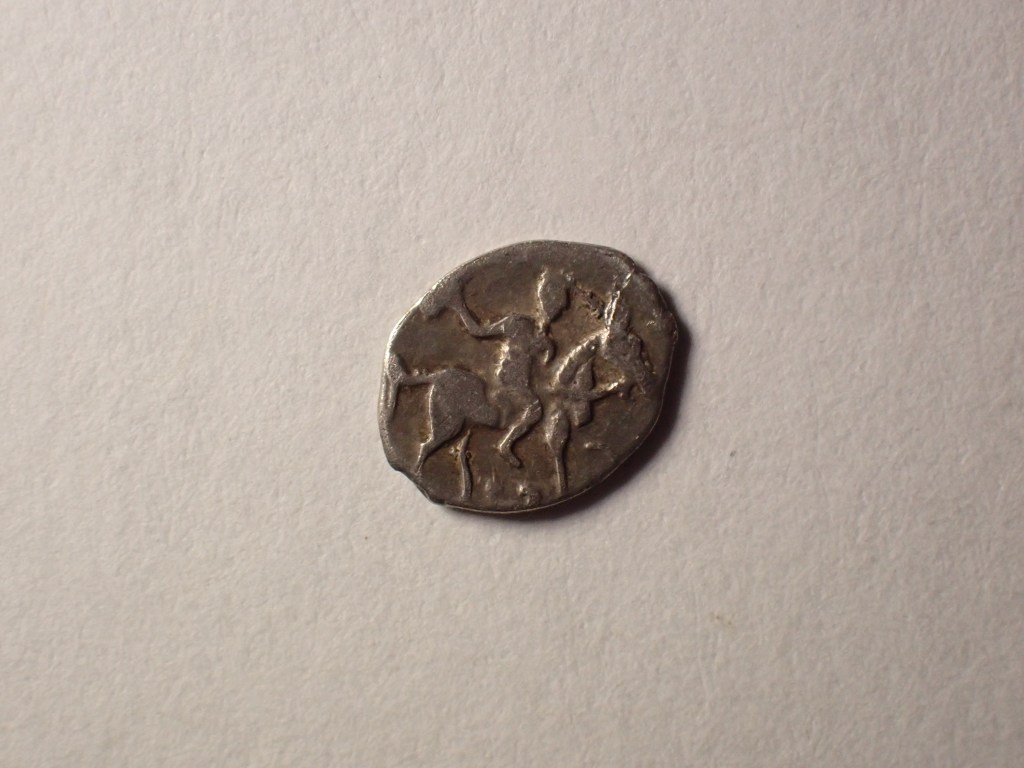
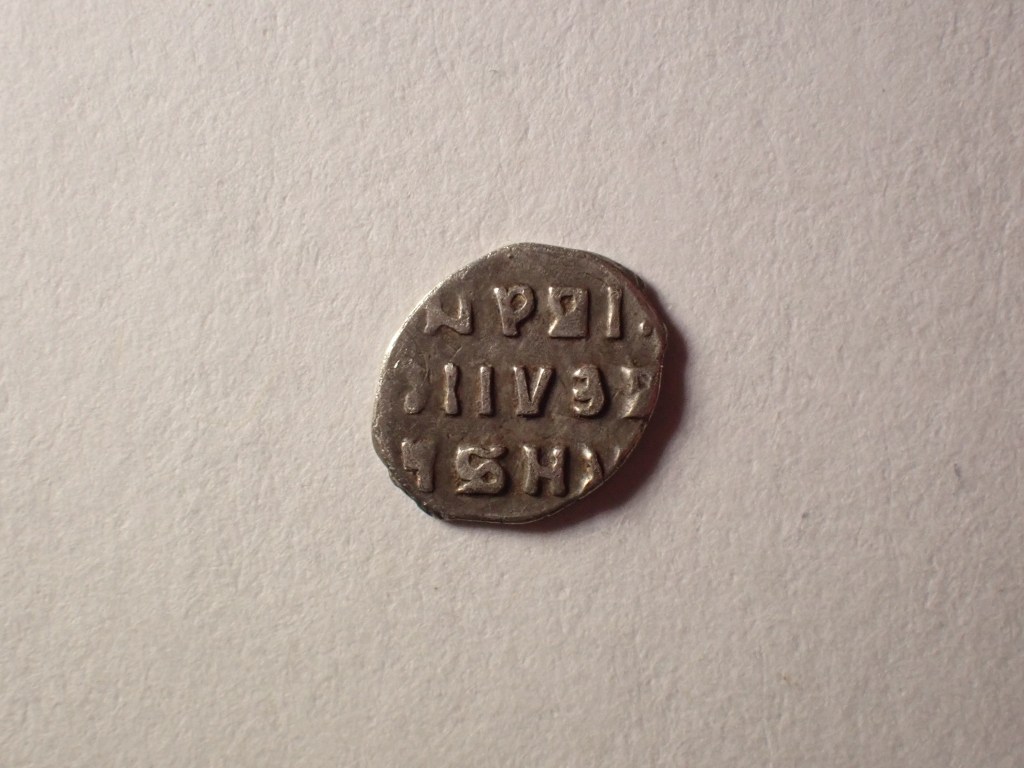
The method they would use to make these coins was extremely crude, and frankly, I don’t understand why it was easier compared to usual hammering techniques, but it goes something like this:
- A silver wire was cut to the desired length with some precision, often by skilled specialists from other parts of Europe.
- The wire was smashed into a blank planchet, which is why wire coins are almost never circular and are irregular, oval shape.
- the planchet was hit with a die to engrave it, but the dies were often far overused and extremely worn down.
- sometimes they skipped step two altogether, and directly hit the wire with the die to squish it, creating an even worse looking coin.
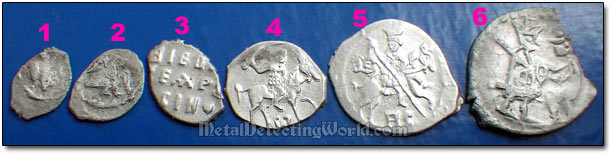
This style of coin making was used in Russian and nearby territories from the early 1300’s to the 1700’s, and came in denominations of, Polushka (Lowest), Dengi, and Kopeck (Highest), with the higher denomination coins always being of far superior quality over the Polushka’s.
 Nummi Antiqua
Leave a comment