Emperor Trajan (Imperator Caesar Nerva Traianus Divi Nervae filius Augustus) led a campaign against the people of Dacia (modern day Romania) from 101 – 106 AD. It was considered to be his greatest ever feat, and many monuments were erected among the empire to commemorate his victory. However, the stone monuments were simply not enough for Trajan and he displayed his conquests on the everyday coins of the Roman Empire!
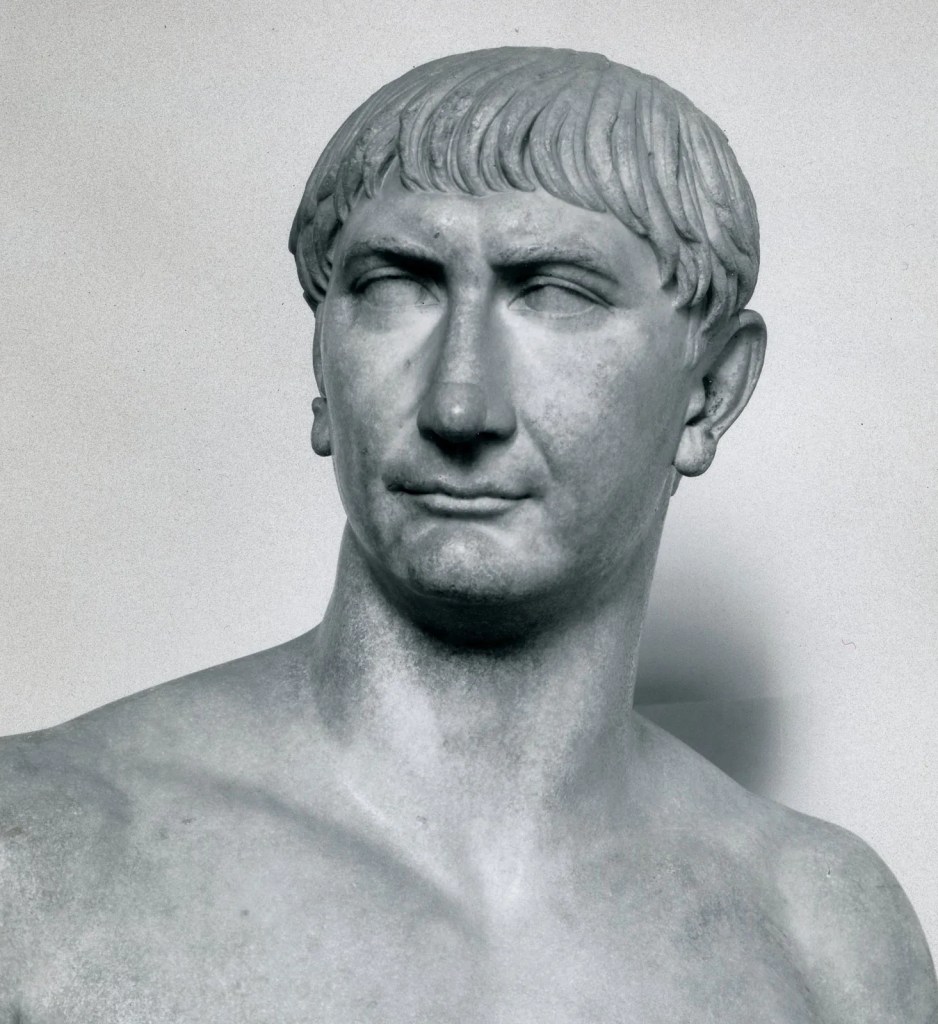
Bust of Emperor Trajan [Photo credit: Encyclopedia Britannica]
Trajan commemorated his conquest on his coins in many ways, but the most common was the Dacian captive sitting under a banner or being restrained/captured by a soldier. There are many different variations of this type of coin, and they mostly have similar legends, most commonly including DACCAP (Dacia Capta). It is possible to find this design on both silver denarius, bronze aes (and maybe on gold coins but I can’t find a proper example of this existing on the internet).
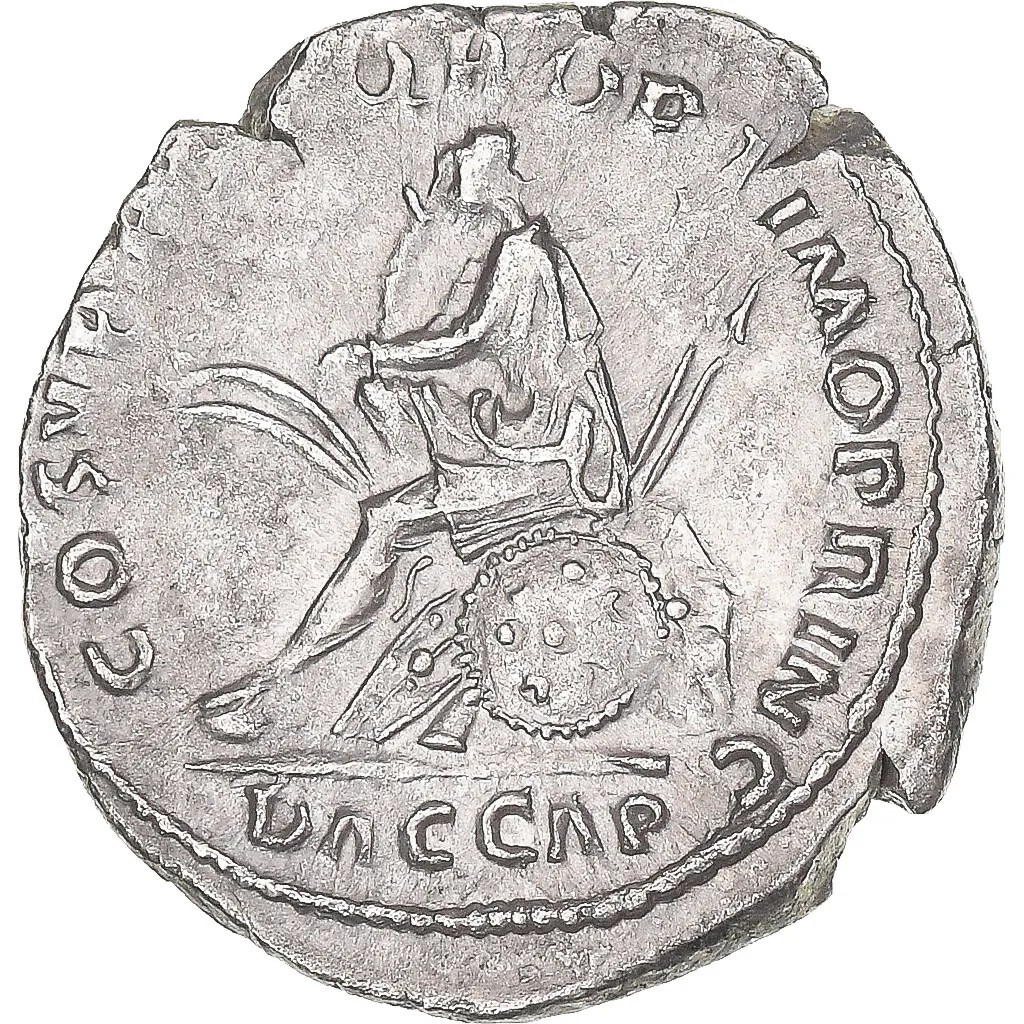
Roman Denarius with DACCAP on reverse, photo credit to user “Le Comptoir Des Moinnaies” on Ebay
One other variety of Dacia commemorative coins that can be found are coins that portray real life locations or monuments. These variants seem to be somewhat rarer, minted in lower quantities, and generally fetching a higher price. I have only found this type of coin in the form of silver (AR) denarii and various Bronze (AE) coins, but that doesn’t mean that others don’t exist. These coins can portray locations such as “Trajans Column”, the Tropaeum Traiani, and other such landmarks.
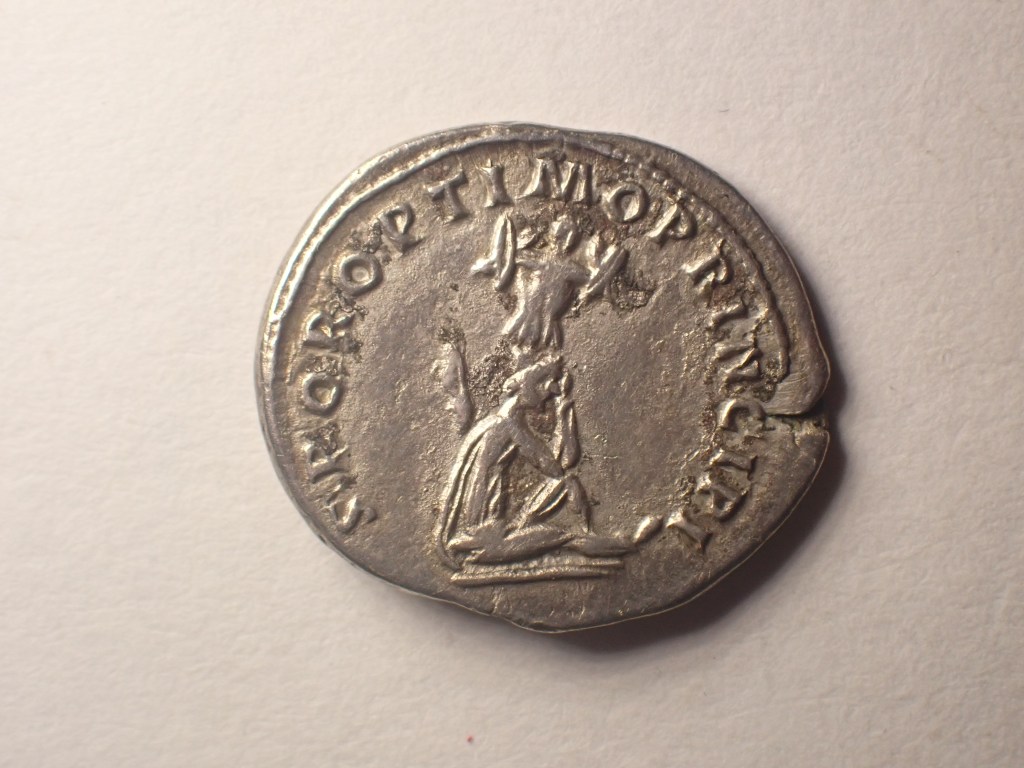
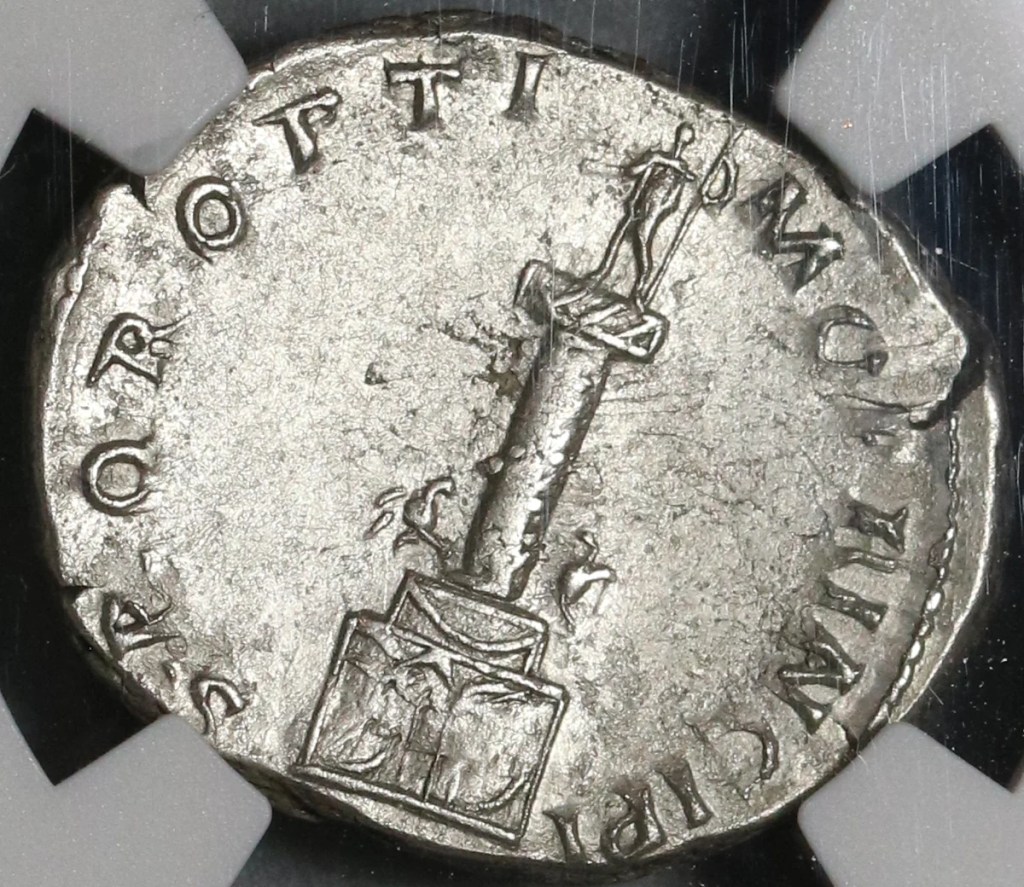
First picture (on left) is a denarius portraying “Trajans Trophy”, a real life location in modern day Romania, former Dacia. Second Photo (on right) is a denarius portraying the legendary “Trajans Column” in Rome, Italy, Credit Caesars Ghost Numismatics.
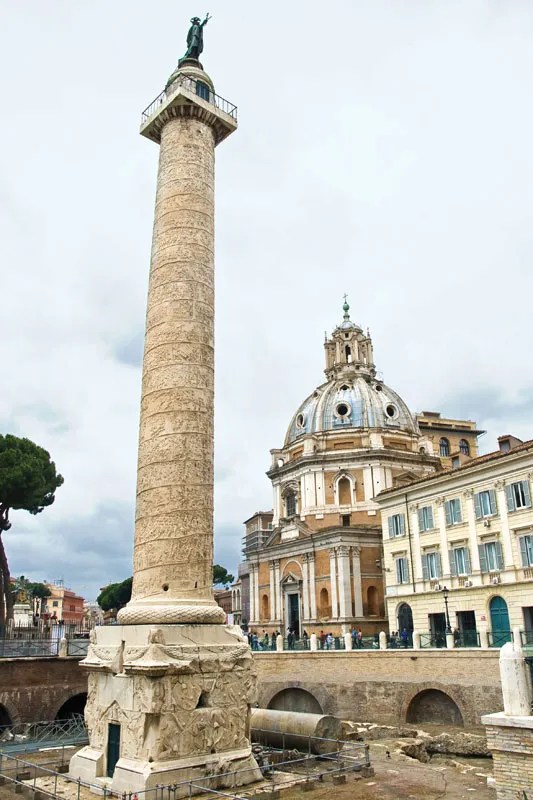
“Trajan’s Column”, a monument in Rome with the conquests of Trajan inscribed on it
[Photo credit: Encyclopedia Britannica]
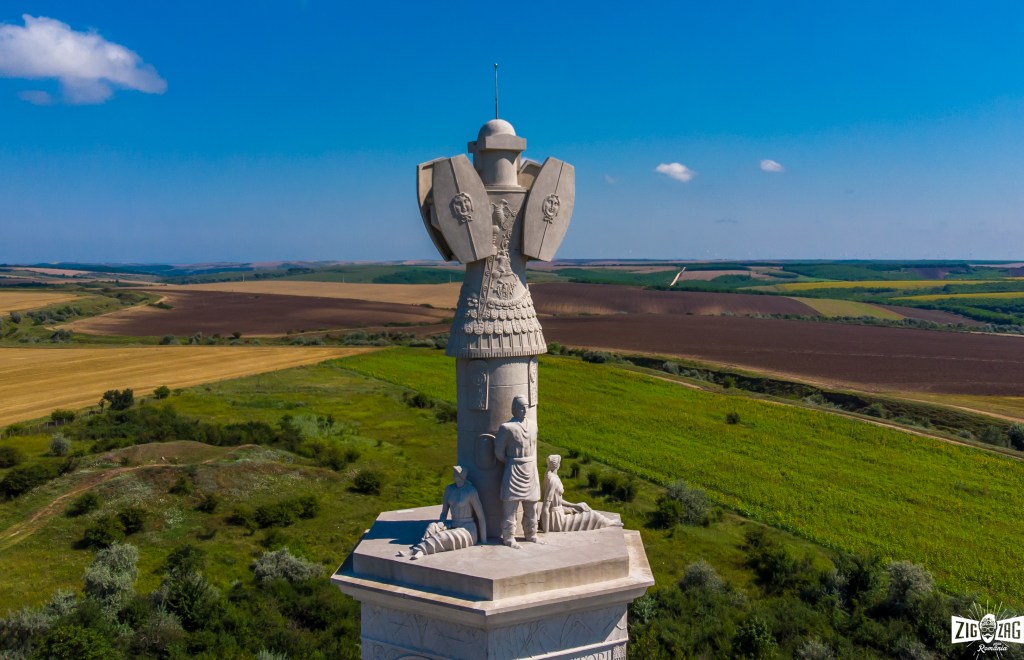
Trajans Trophy (Tropaeum Traiani) [Photo credit: Zig Zag prin Romania)
However, it is not just these two variety of coin that commemorate the victory over the Dacians, there are some other types, but they seem mostly one-off and very rare compared to these two more common types.
 Nummi Antiqua
Leave a comment